

Crypto Wallet Security Best Practices in 2026: A Strategic Guide for Global Businesses and Investors
The Strategic Importance of Wallet Security in a Mature Crypto Market
By 2026, digital assets have moved decisively from the fringe of finance into the mainstream of global markets, with institutional investors, listed corporations, family offices, and high-net-worth individuals across the United States, Europe, Asia, and other regions now holding significant positions in cryptocurrencies and tokenized assets. As digital assets have become embedded in treasury operations, cross-border payments, and portfolio diversification strategies, the security of crypto wallets has evolved from a niche technical concern into a core element of enterprise risk management and corporate governance. For the audience of upbizinfo.com, which spans founders, executives, and investors from New York to London, Singapore, and São Paulo, the question is no longer whether to engage with crypto, but how to secure exposure in a way that is robust, compliant, and aligned with long-term business objectives.
The heightened regulatory focus from bodies such as the U.S. Securities and Exchange Commission and the European Securities and Markets Authority (ESMA), alongside the rapid professionalization of custody providers and security frameworks, has raised the bar for what constitutes best practice. High-profile exchange collapses and sophisticated cyberattacks have underlined that the weakest link is often not blockchain technology itself, but the way private keys and access credentials are stored, managed, and governed. This environment demands that business leaders understand crypto wallet security not as a purely technical issue, but as a strategic discipline comparable to banking controls, payment security, and enterprise cybersecurity. Readers can explore broader macro and regulatory implications in the dedicated crypto and digital asset coverage on upbizinfo.com, which contextualizes wallet security within the evolving global ecosystem.
Understanding Crypto Wallets: Beyond Simple Storage
A foundational step for any business or investor is to develop a precise understanding of what a crypto wallet is and is not. Contrary to popular perception, a wallet does not actually "store" coins; instead, it stores and manages the cryptographic keys that grant control over assets recorded on a blockchain. This distinction is central to understanding risk. If a private key is lost, stolen, or irreversibly exposed, the associated assets can be moved without recourse, and in most cases there is no central authority to reverse or recover the transaction.
Wallets can broadly be categorized into custodial and non-custodial models. Custodial wallets, typically provided by centralized exchanges or fintech platforms, manage keys on behalf of users, similar to how commercial banks safeguard fiat deposits, though under a very different legal and technical regime. Non-custodial wallets, by contrast, give the user direct control of private keys, whether through software applications, browser extensions, mobile wallets, or dedicated hardware devices. In practice, sophisticated organizations often adopt a hybrid approach, combining institutional-grade custodial services with non-custodial solutions for specific use cases such as decentralized finance participation or on-chain governance.
International regulators and standard setters, including the Financial Action Task Force (FATF), have issued guidance on how different wallet types intersect with anti-money laundering and counter-terrorist financing obligations, which in turn affects how companies structure their wallet architecture. Readers seeking a broader view on how wallet choices intersect with macroeconomic and regulatory trends can refer to the global economy insights at upbizinfo.com, where the interplay between digital assets and financial regulation is examined in depth. For a technical overview of wallet fundamentals and blockchain operations, resources from organizations such as the Ethereum Foundation and the Bitcoin.org community provide accessible introductions for non-specialists.
Hardware, Software, and Institutional Custody: Choosing the Right Mix
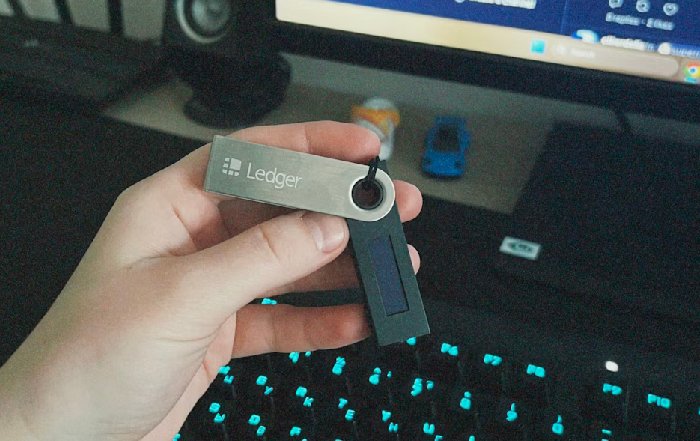
In 2026, the diversity of wallet solutions is both an opportunity and a challenge. Hardware wallets, often referred to as "cold wallets," store private keys in dedicated offline devices designed to resist malware and remote attacks. Leading providers such as Ledger and Trezor have expanded their offerings with enterprise features, secure firmware update mechanisms, and integrations with institutional custody platforms. Hardware wallets are widely considered a cornerstone of best practice for long-term storage and treasury reserves, particularly for organizations operating across jurisdictions such as the United States, United Kingdom, Germany, and Singapore, where regulatory expectations around operational resilience are high. Those seeking to understand the broader technology landscape may benefit from the focused coverage on emerging technologies at upbizinfo.com, which places wallet hardware advances within the context of cybersecurity and digital infrastructure trends.
Software wallets, including mobile and desktop applications, offer greater convenience for day-to-day operations, trading, and decentralized application interaction. However, they are more exposed to endpoint security risks, such as device compromise, phishing, and malicious browser extensions. For businesses and active traders, the priority is to implement layered defenses around these wallets, from hardened operating system configurations to endpoint detection and response tools. Reputable open-source wallets with transparent codebases and active security audits, often documented on platforms like GitHub, provide additional assurance, although open source is not a guarantee of safety in itself.
Institutional and qualified custody services have matured significantly, with regulated providers in jurisdictions such as the United States and Switzerland now offering segregated cold storage, insurance coverage, and compliance integrations that align with the expectations of corporate boards and institutional investors. Many of these providers draw on standards and guidance from organizations such as the International Organization for Standardization (ISO), particularly the ISO/IEC 27001 framework for information security management. Businesses weighing self-custody against outsourcing can benefit from the broader strategic and risk-management context available in the investment analysis section of upbizinfo.com, where custody choice is framed as part of an integrated capital allocation and risk strategy.
Private Keys, Seed Phrases, and the Human Factor
At the core of every crypto wallet is the private key, often derived from a human-readable seed phrase composed of a standardized list of words. While the underlying cryptography is exceptionally strong, the practical security of these keys and phrases is often undermined by human error, poor storage practices, or social engineering. A sophisticated security strategy therefore treats the management of private keys and seed phrases as a high-value process, comparable to the handling of root certificates or master encryption keys in traditional IT environments.
Best practices increasingly emphasize the separation of knowledge and control. For example, in corporate environments, no single individual should have unilateral access to critical seed phrases or master keys. Instead, organizations adopt procedures inspired by NIST (National Institute of Standards and Technology) guidance on key management, including split knowledge, dual control, and rigorous logging of access attempts. Learn more about cryptographic key management principles through the resources of the NIST Computer Security Resource Center, which provide vendor-neutral frameworks that can be adapted to crypto operations.
For private investors and smaller businesses, the challenge is to balance usability with safety. Writing down seed phrases on paper and storing them in secure, geographically separated locations remains a widely endorsed approach, but it must be complemented by clear, documented procedures for heirs, partners, or co-founders to access these materials in the event of incapacity or death. The growing body of legal practice around digital asset inheritance, especially in jurisdictions like Canada, Australia, and the European Union, underscores the importance of integrating wallet recovery into estate planning and corporate continuity strategies. Readers interested in how founders and early-stage companies are addressing these issues can explore the founders-focused content on upbizinfo.com, which often highlights practical experiences from entrepreneurs navigating crypto custody decisions.
Multi-Factor Authentication, Multi-Signature, and Access Governance
Authentication and authorization mechanisms have evolved significantly since the early days of crypto, when single-password access was often the norm. In 2026, any serious wallet security strategy is built on multi-factor authentication (MFA) and multi-signature (multisig) structures that distribute control and reduce single points of failure. MFA, when implemented correctly, ensures that even if a password or device is compromised, an attacker cannot easily gain access to wallets or exchange accounts. Security practitioners increasingly recommend hardware security keys based on standards such as FIDO2, as promoted by the FIDO Alliance, which are far more resistant to phishing than SMS codes or app-based one-time passwords.
Multisig wallets, which require multiple independent approvals for a transaction to be executed, have become a standard for corporate treasuries, decentralized autonomous organizations, and investment funds operating across markets from the United States and Canada to Singapore, Japan, and the United Arab Emirates. These structures can be implemented both on-chain, via smart contracts, and off-chain, via institutional custody arrangements where multiple officers or signatories must approve a movement of funds. Detailed guidance from organizations such as Chainalysis and Elliptic illustrates how multisig and access governance not only enhance security but also support auditability and compliance, making them attractive to regulated entities and auditors.
Effective access governance also extends to the broader ecosystem of tools and services connected to wallets, including trading platforms, portfolio trackers, and decentralized finance interfaces. Each integration represents a potential attack vector, so organizations are increasingly adopting a "least privilege" approach, granting only the minimum necessary permissions and regularly reviewing active connections. To situate these practices within the broader employment and skills landscape, readers may refer to the employment and jobs coverage at upbizinfo.com, where the emergence of specialized crypto security roles and governance structures is tracked across global markets.
Operational Security: Devices, Networks, and Everyday Discipline
Even the most sophisticated wallet architecture can be undermined if underlying devices and networks are compromised. As crypto adoption has spread across sectors such as banking, e-commerce, and global trade, attackers have refined their tactics to target executives, traders, and finance professionals through tailored phishing campaigns, malware, and supply-chain attacks. In response, organizations with significant crypto exposure are increasingly aligning wallet security with broader enterprise cybersecurity frameworks, incorporating guidelines from bodies such as the Cybersecurity and Infrastructure Security Agency (CISA) in the United States and the European Union Agency for Cybersecurity (ENISA).
Best practice in 2026 typically includes the use of dedicated devices for high-value crypto operations, segregated from general browsing and email, and hardened according to security baselines that restrict unnecessary software, enforce full-disk encryption, and mandate regular patching. Network-level protections, such as the use of reputable virtual private networks, intrusion detection systems, and strict segmentation between administrative and operational networks, are now common in larger organizations and increasingly accessible to smaller firms through managed security services. Those interested in how these trends intersect with broader technology and business strategy can find relevant context in the business and technology sections of upbizinfo.com and the dedicated technology coverage, which analyze how cybersecurity investments support competitive advantage.
For individuals and smaller teams, operational discipline is equally crucial. This includes verifying wallet software downloads from official sources, carefully checking domain names to avoid phishing clones, and using password managers to generate strong, unique credentials. Awareness training, historically associated with corporate IT programs, is now increasingly relevant for independent traders, founders, and family offices, many of whom manage substantial crypto holdings from multiple jurisdictions including the United Kingdom, Switzerland, Singapore, and the United Arab Emirates. Educational resources from organizations such as SANS Institute and ISACA offer structured guidance on building security awareness programs that can be adapted to crypto-specific threats.
Regulatory, Compliance, and Banking Interfaces
Crypto wallet security cannot be viewed in isolation from the broader regulatory and banking environment in which businesses and investors operate. As regulators across North America, Europe, and Asia have clarified their expectations around custody, reporting, and risk controls, the line between wallet security and regulatory compliance has blurred. For example, under frameworks such as the European Union's Markets in Crypto-Assets Regulation (MiCA) and evolving guidance from the Financial Conduct Authority (FCA) in the United Kingdom, regulated entities must demonstrate not only that assets are technically secure, but also that governance, segregation of duties, and incident response processes meet high standards.
Banks and payment institutions, particularly in jurisdictions like Germany, Singapore, and Switzerland, increasingly assess the wallet security practices of corporate clients as part of their risk assessment when providing accounts or crypto-related services. This convergence reinforces the need for organizations to document their wallet architecture, key management policies, and access control frameworks in a way that can be understood by auditors, regulators, and banking partners. Readers seeking to understand how traditional financial institutions are integrating crypto into their offerings can refer to the banking and markets coverage at upbizinfo.com and the dedicated markets section, where these developments are analyzed from both a risk and opportunity perspective.
International organizations such as the Bank for International Settlements (BIS) and the International Monetary Fund (IMF) have also weighed in on the systemic implications of digital assets, including the resilience of custody arrangements and the potential spillover into traditional finance. As central banks in regions such as Asia-Pacific and Europe explore or deploy central bank digital currencies, the lines between crypto wallet security and mainstream payment security frameworks will continue to converge, making best practices in this area increasingly relevant even for organizations that do not directly hold volatile cryptoassets.
Insurance, Incident Response, and Business Continuity
In a world where digital assets can represent a significant portion of corporate balance sheets or individual net worth, the financial impact of a wallet compromise can be existential. Consequently, insurance and incident response planning have become integral components of wallet security best practice. Specialized crypto insurance products, offered by global insurers and niche underwriters, now provide coverage for theft, hacking, and in some cases even social engineering losses, although underwriting standards are stringent and closely tied to the strength of an organization's security controls.
Insurers and risk consultants often draw on frameworks such as those developed by the World Economic Forum and the Global Digital Finance initiative, which provide high-level principles for digital asset custody and operational resilience. These frameworks emphasize not only prevention, but also detection, response, and recovery. For organizations of all sizes, this means developing clear playbooks that define how to detect suspicious activity, who has authority to pause operations or move funds to emergency cold storage, and how to communicate with stakeholders, regulators, and law enforcement in the event of an incident. The news and world sections of upbizinfo.com regularly cover major security incidents and responses, offering practical lessons for readers in multiple regions.
Business continuity planning must also account for physical and geopolitical risks. For globally active firms with operations in regions such as Europe, Asia, Africa, and South America, this may include ensuring that critical seed phrase backups and hardware wallets are stored in multiple jurisdictions, assessing the impact of sanctions regimes on access to custodial services, and preparing contingencies for disruptions to cloud infrastructure or internet connectivity. International standards such as ISO 22301 for business continuity management provide a useful reference, and many of their principles can be adapted directly to the context of digital asset operations.
Education, Culture, and the Future of Wallet Security
The most advanced technical controls can be undermined by a culture that treats security as a secondary concern. For organizations and individuals managing crypto exposure in 2026, sustained education and a security-first mindset are indispensable. This extends from board-level understanding of custody and counterparty risk, through finance and treasury teams that manage day-to-day operations, to developers and product teams building on-chain solutions and integrations. Industry bodies, including CryptoUK in the United Kingdom and the Blockchain Association in the United States, have placed growing emphasis on education and best-practice dissemination, recognizing that collective security is a prerequisite for sustainable market growth.
For readers of upbizinfo.com, whose interests span AI, banking, business, crypto, employment, and technology, wallet security intersects with broader themes of digital transformation and workforce upskilling. As artificial intelligence tools are increasingly deployed for fraud detection, transaction monitoring, and anomaly detection in crypto flows, the boundary between traditional cybersecurity and crypto-specific security will continue to blur. Those interested in how AI enhances or challenges security paradigms can explore the AI-focused analysis at upbizinfo.com, which often highlights the dual role of AI as both a defensive tool and a potential attack vector.
On an individual level, lifestyle choices, work patterns, and device usage habits all influence wallet security. Remote work, frequent international travel, and the proliferation of personal devices used for professional purposes introduce new risks that must be managed proactively. The lifestyle and employment sections of upbizinfo.com explore how professionals across sectors are adapting to a world where personal and professional digital footprints are deeply intertwined, and where the security of a single seed phrase can have life-changing financial implications.
Integrating Wallet Security into Holistic Digital Asset Strategy
By 2026, crypto wallet security is no longer a narrow technical topic reserved for specialists; it is a strategic discipline that sits at the intersection of finance, technology, regulation, and organizational culture. For globally active businesses and investors across the United States, Europe, Asia, Africa, and the Americas, best practice involves a layered approach: selecting appropriate combinations of hardware, software, and institutional custody; implementing rigorous key management and access control frameworks; aligning operational security with enterprise cybersecurity standards; and embedding education, governance, and incident response into everyday practice.
For the audience of upbizinfo.com, which navigates decisions across banking, investment, employment, markets, and technology, the imperative is clear: wallet security must be treated with the same seriousness as traditional banking controls and cybersecurity, integrated into broader risk management and strategic planning rather than addressed in isolation. As regulatory frameworks mature and digital assets become further entwined with global financial infrastructure, those who invest early in robust, well-governed wallet security practices will be best positioned to capture the opportunities of the digital asset era while minimizing avoidable risks.
Readers who wish to deepen their understanding of how wallet security fits into the wider business and market context can explore the comprehensive coverage across upbizinfo.com's main business hub, including dedicated sections on crypto, investment, economy, markets, and technology. In an environment where digital assets increasingly shape global capital flows and innovation, informed and disciplined wallet security is not only a technical necessity, but a defining component of long-term business resilience and trust.